


How to Choose the Right Excavator Rental for You
Excavators are among the most versatile pieces of equipment used in construction, landscaping, utility work, demolition, and site preparation. Whether you are digging trenches, clearing land, moving materials, or preparing a building site, selecting the right excavator rental can have a major impact on project efficiency, safety, and overall costs.
With so many excavator sizes, features, and attachment options available, choosing the right machine requires careful consideration. The ideal excavator should match the specific demands of your project while providing the performance and reliability needed to complete the work efficiently. Understanding the key factors involved in selecting an excavator rental can help ensure you make the best choice for your needs.
Understand Your Project Requirements
The first step in choosing an excavator rental is identifying exactly what your project requires. Different jobs demand different machine capabilities, and selecting equipment that aligns with the scope of work is essential for productivity.
Consider the type of excavation involved, the depth of digging required, the volume of material that must be moved, and any site-specific challenges. A small landscaping project may only require a compact excavator, while large-scale construction projects often need heavier equipment with greater digging power and reach.
Choose the Appropriate Excavator Size
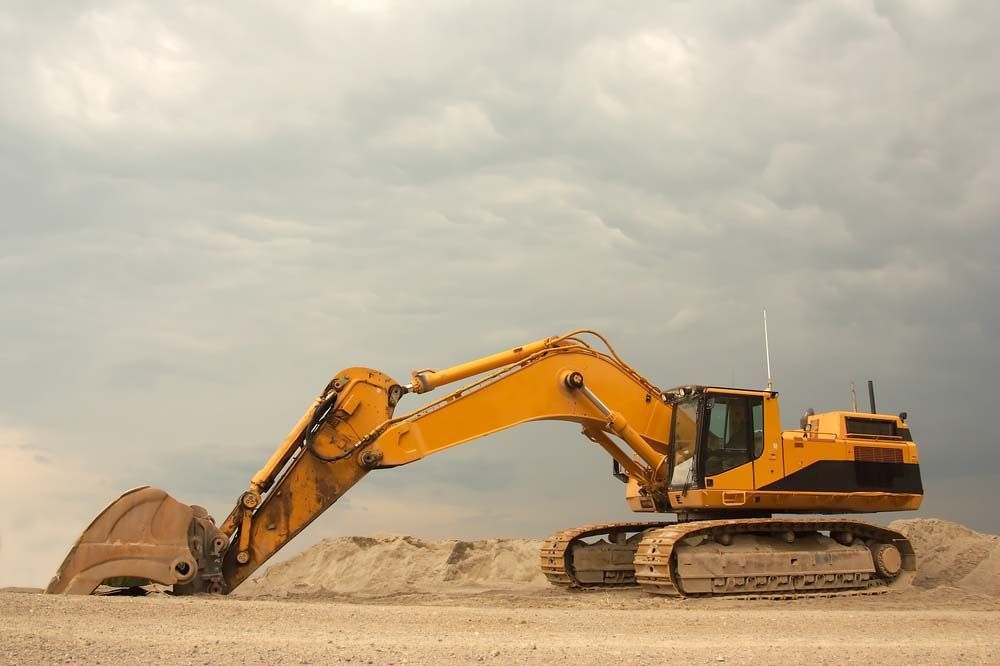
Excavators are available in a wide range of sizes, from compact mini excavators to large machines designed for major earthmoving operations. Selecting the proper size can significantly influence jobsite efficiency and operating costs.
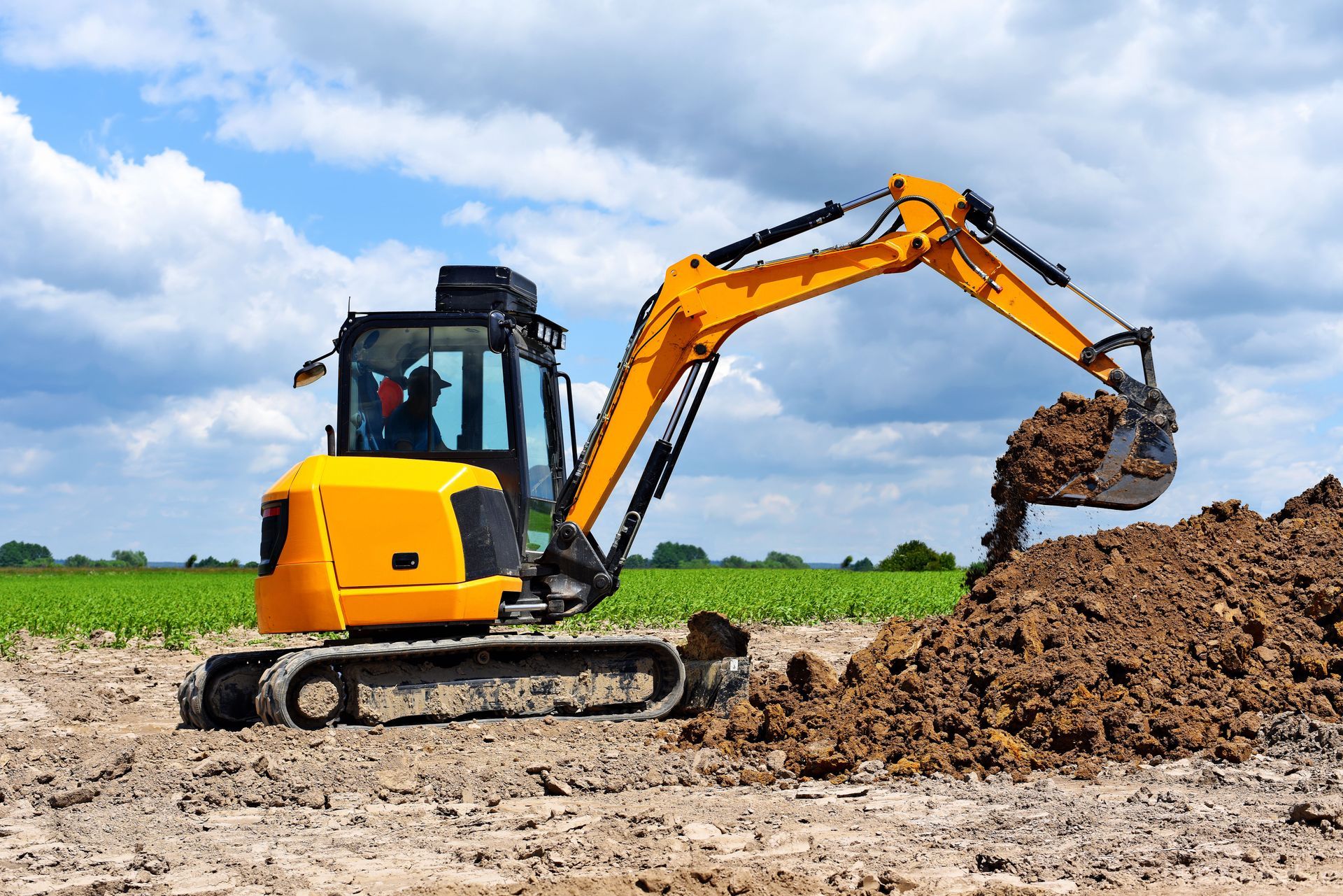
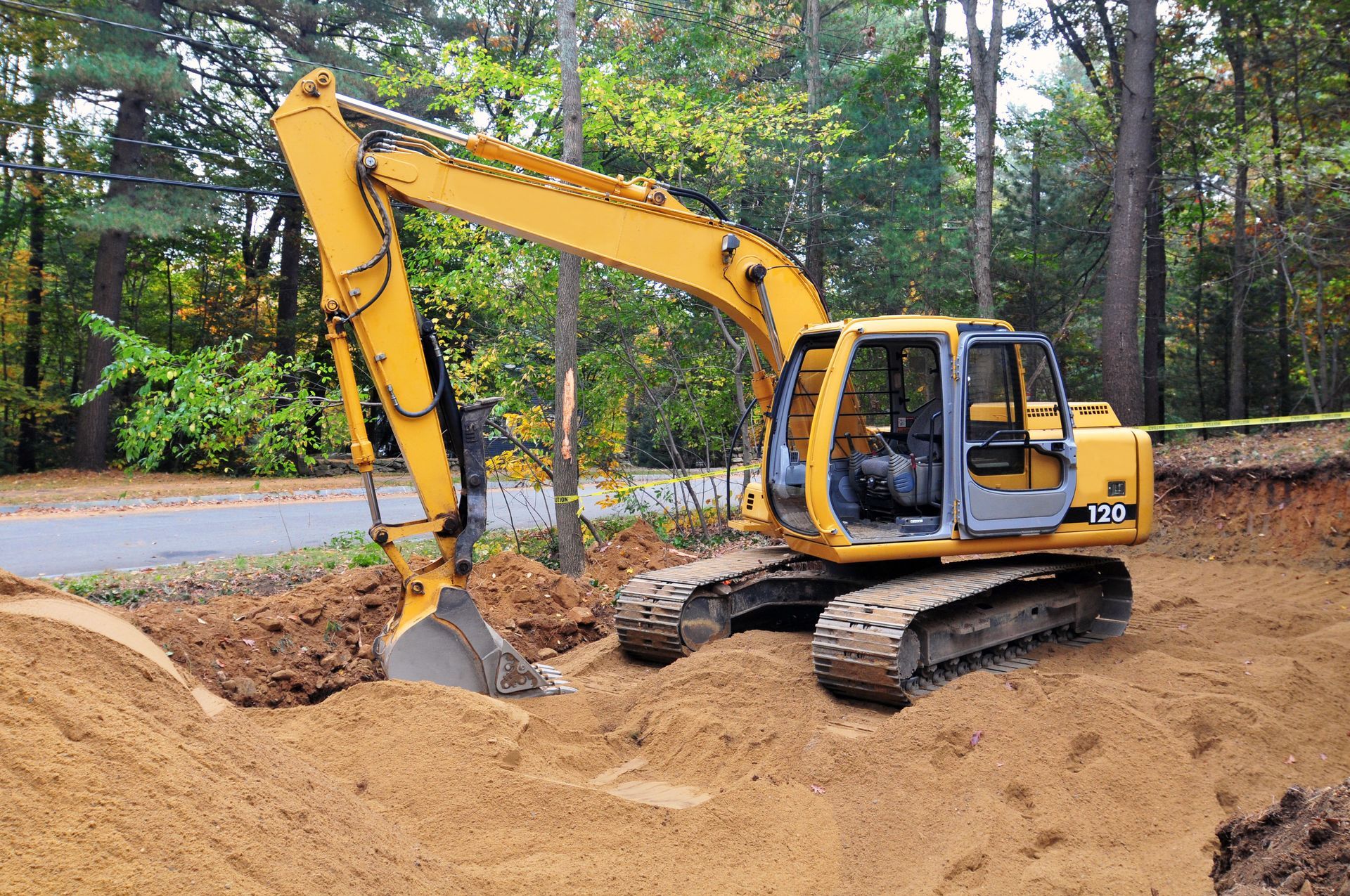
Mini excavators are often ideal for projects with limited access or confined workspaces. Mid-size excavators provide versatility for many construction applications, while large excavators offer maximum power for demanding excavation and demolition projects. Matching machine size to project needs helps avoid unnecessary expenses and performance limitations.
Evaluate Site Conditions
The physical characteristics of your site should play a major role in your equipment selection process. Space constraints, ground conditions, terrain, and accessibility all influence which excavator will perform best.
Projects in urban environments or residential areas may require compact equipment capable of maneuvering in tight spaces. Sites with uneven terrain or soft soil may benefit from specific track configurations that improve stability and traction. Understanding the site environment helps ensure the excavator rental can operate safely and effectively.
Consider Digging Depth Requirements
Different excavators offer varying digging depths and reach capabilities. Before selecting a rental, determine how deep and how far the machine must excavate to complete the project successfully.
Choosing an excavator with insufficient digging depth can create delays and require additional equipment. On the other hand, renting a machine that greatly exceeds your needs may result in unnecessary costs. Reviewing equipment specifications carefully helps ensure the machine is properly suited for the task.
Determine the Material Being Handled
The type of material you need to excavate can affect the size and power requirements of the machine. Soft soil, clay, sand, rock, gravel, and demolition debris all present different challenges.
Heavier or more compact materials often require larger excavators with greater breakout force and lifting capacity. Understanding the material conditions allows you to select an excavator rental capable of maintaining productivity throughout the project.
Explore Available Attachments
One of the greatest advantages of modern excavators is their ability to use various attachments. These attachments can significantly expand the machine's functionality and improve efficiency.
Common options include buckets, hydraulic hammers, augers, grapples, rippers, and compaction wheels. If your project requires tasks beyond standard excavation, discuss attachment availability with the rental provider before making a final decision.
Review Lifting Capacity Needs
Many excavators are used not only for digging but also for lifting and moving heavy materials. If your project involves handling pipes, concrete sections, utility components, or other heavy objects, lifting capacity becomes an important consideration.
Manufacturers provide load charts that specify safe lifting limits under various operating conditions. Selecting an excavator with adequate lifting capabilities helps improve efficiency while maintaining safe operating practices.
Assess Fuel Efficiency
Fuel costs can represent a significant portion of equipment operating expenses, particularly on longer projects. Choosing an excavator that balances performance with fuel efficiency can help control overall project costs.
Newer excavator rental models often feature advanced engine technologies designed to reduce fuel consumption without sacrificing productivity. Discuss fuel efficiency ratings and operating costs with your rental provider when comparing equipment options.
Consider Rental Duration
The length of your project can influence which rental agreement provides the best value. Equipment rental companies often offer daily, weekly, and monthly rental options with varying pricing structures.
Understanding your expected project timeline allows you to select the most cost-effective rental arrangement. Longer rental periods may qualify for discounted rates, helping reduce overall equipment expenses.
Evaluate Operator Comfort and Controls
Operator productivity can have a direct impact on project performance. Modern excavators often include features designed to improve comfort, visibility, and ease of operation.
Comfortable seating, climate-controlled cabs, ergonomic controls, and enhanced visibility can help reduce operator fatigue and improve efficiency throughout the workday. These features become especially important on larger projects that require extended machine operation.
Inspect Equipment Condition
Before finalizing an excavator rental, it is important to verify that the equipment is properly maintained and in good working condition. Reliable equipment reduces the likelihood of downtime and costly project delays.
Ask about maintenance schedules, service records, and inspection procedures. A reputable rental provider will ensure that machines are thoroughly inspected and ready for operation before delivery.
Research Rental Company Reputation
The quality of the rental company can be just as important as the equipment itself. A dependable provider offers well-maintained machines, responsive customer service, and knowledgeable support.
According to IBISWorld, there are 3,539 heavy equipment rental businesses in the United States. With so many options available, researching company reviews, customer testimonials, and industry reputation can help you identify a trusted rental partner.
Understand Transportation and Delivery Options
Transporting heavy equipment can be a complex process. Before selecting an excavator rental, determine whether delivery and pickup services are available and what associated costs may apply.
Many rental providers offer transportation solutions that simplify logistics and ensure equipment arrives on schedule. Understanding these details in advance helps prevent unexpected expenses and scheduling challenges.
Review Safety Features
Safety should always be a priority when operating heavy equipment. Modern excavators are equipped with various safety technologies designed to protect operators and nearby workers.
Features such as backup cameras, rollover protection systems, visibility enhancements, load monitoring systems, and emergency shutoffs can improve site safety. Reviewing available safety features helps ensure compliance with project requirements and industry standards.
Consider Future Project Needs
If you anticipate additional projects in the future, developing a relationship with a reliable excavator rental provider can be beneficial. A trusted rental partner can help you access the appropriate equipment as your needs evolve.
Establishing an ongoing relationship may also provide advantages such as priority availability, streamlined rental processes, and access to a wider range of equipment solutions for future projects.
Compare Overall Value Rather Than Price Alone
While cost is always an important factor, the lowest rental rate does not necessarily provide the best value. Equipment reliability, service quality, maintenance support, attachment availability, and delivery options all contribute to the overall rental experience.
Evaluating the complete package helps ensure you receive equipment that supports productivity while minimizing the risk of delays and unexpected costs. In many cases, investing slightly more in a higher-quality rental can produce significant long-term benefits.
Taking the time to assess your needs and compare available options can help you avoid costly mistakes while ensuring your project stays on schedule and within budget. The right excavator rental provides the performance, reliability, and versatility needed to complete excavation work efficiently and effectively, regardless of project size or complexity. To learn more, contact our team at Tyler Rental today!
Share On: