


How Rental Services Aid Construction Companies
The construction industry operates in a competitive environment where managing costs, maintaining productivity, and adapting to changing project demands are critical for long-term success. Contractors must balance budgets, meet deadlines, and ensure the right equipment is available when needed. While purchasing machinery may seem practical, ownership often comes with significant expenses and long-term commitments that can limit flexibility.
For many construction businesses, equipment rental has become an attractive alternative. Renting provides access to modern machinery without the financial burden of ownership, allowing companies to remain agile while controlling costs. From improving cash flow and reducing maintenance responsibilities to enhancing safety and sustainability, rental solutions offer advantages that support business growth and operational efficiency.
Financial Benefits of Equipment Rental
Lower Upfront Investment
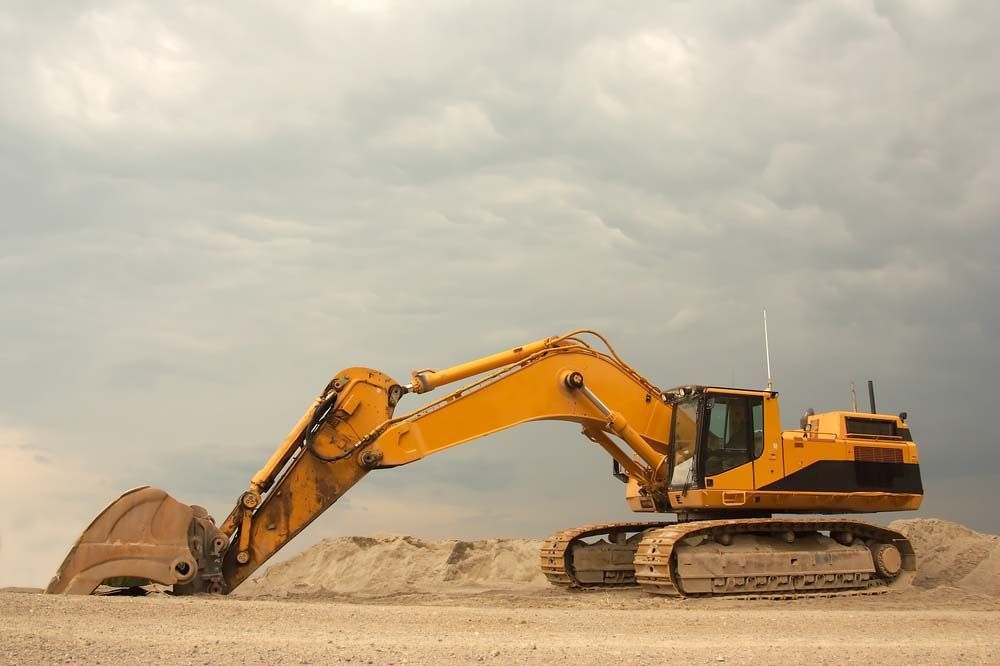
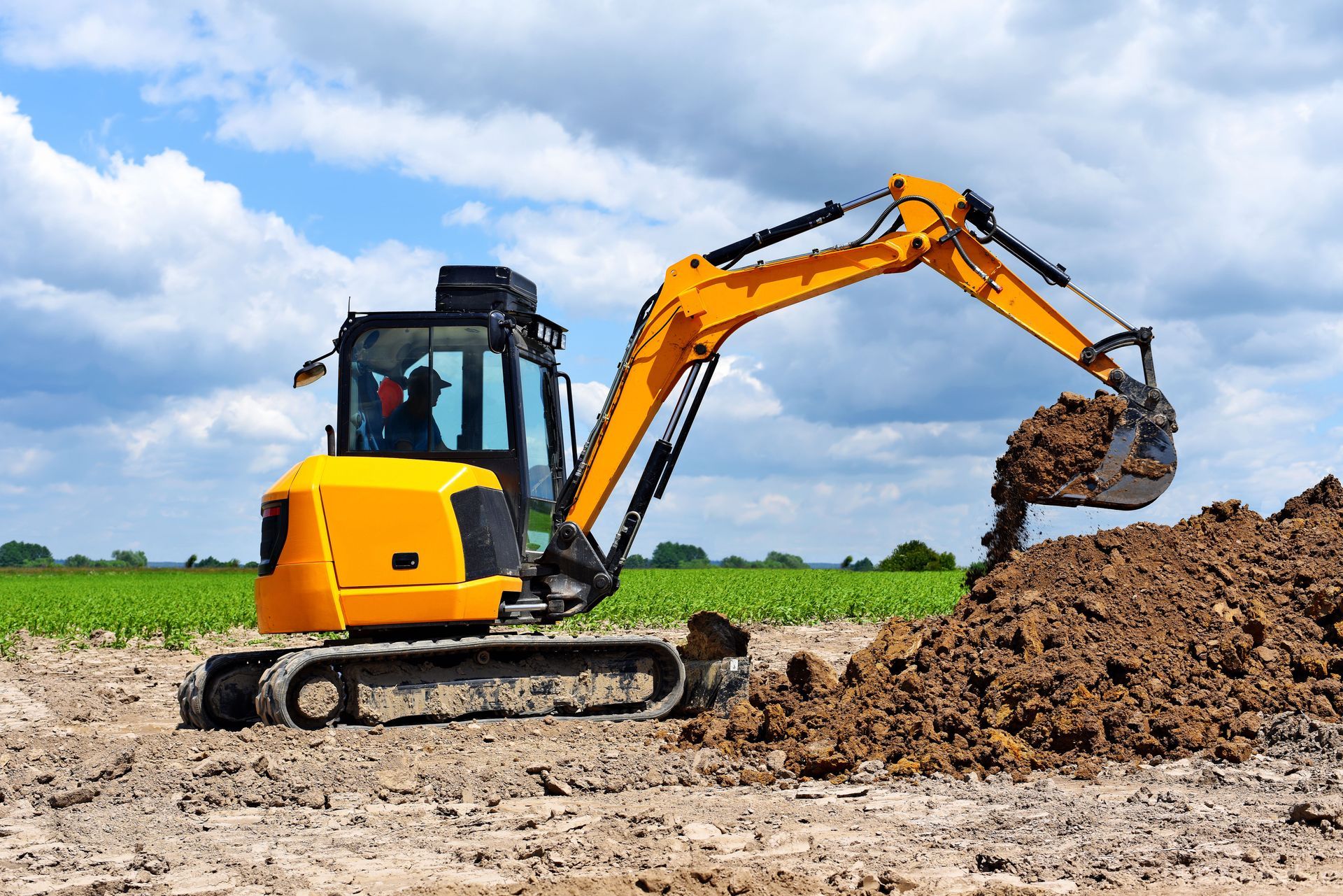
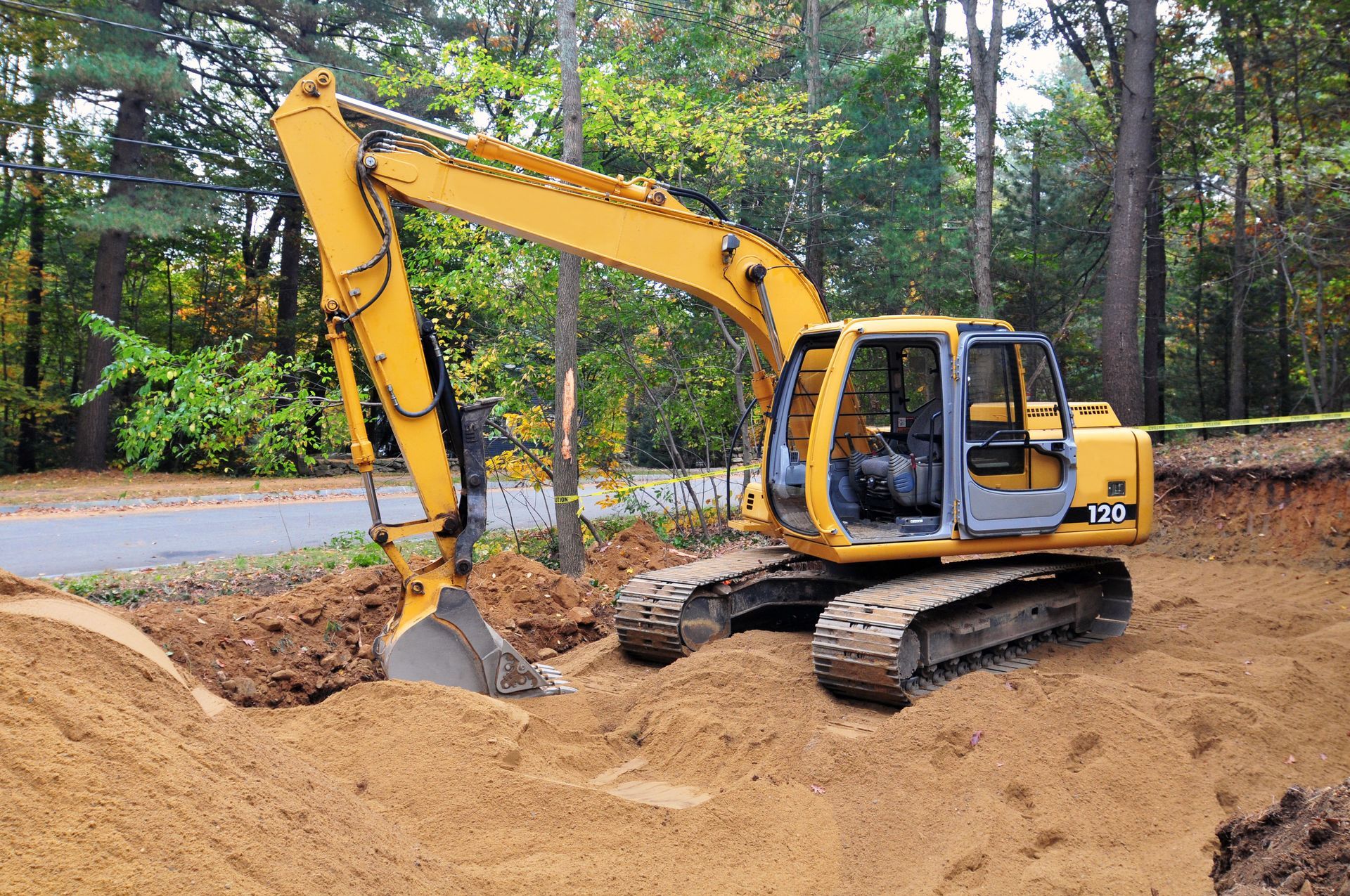
According to WifiTalents, 62% of equipment rental customers do so over buying due to lower upfront costs. Purchasing heavy construction equipment requires substantial capital that can strain a company's finances. Excavators, loaders, skid steers, and other essential machines often cost tens or hundreds of thousands of dollars. These purchases can tie up funds that could otherwise support staffing, materials, marketing, or expansion.
By choosing equipment rental, construction companies can obtain machinery without committing large amounts of capital. Instead of making a major purchase, contractors pay only for equipment used during a specific project or timeframe.
Improved Cash Flow Management
Cash flow is essential to maintaining a healthy construction business. Project expenses often fluctuate throughout the year, making careful financial planning important.
Rental agreements convert large capital expenditures into predictable operating expenses. This simplifies budgeting and allows contractors to better align equipment costs with project revenue. With equipment rental, businesses can scale resources according to demand while maintaining greater financial flexibility.
Eliminated Depreciation Costs
Construction equipment loses value over time due to wear, age, and technology changes. Owners must account for depreciation and often face reduced resale values when upgrading machinery.
Renting eliminates this concern. Contractors pay only for equipment usage rather than ownership, avoiding the financial impact of declining asset values.
Advanced Equipment and Technology
Modern Industry Innovations
Construction technology continues to evolve. Modern equipment often includes enhanced safety systems, improved fuel efficiency, advanced controls, and greater productivity capabilities.
Keeping up with these innovations can be expensive for companies that own equipment. Through equipment rental, contractors can access newer machinery without repeatedly investing in costly upgrades.
Specialized Equipment When Needed
Many construction projects require specialized machinery that may only be used occasionally. Purchasing these machines rarely makes financial sense, especially when usage is limited.
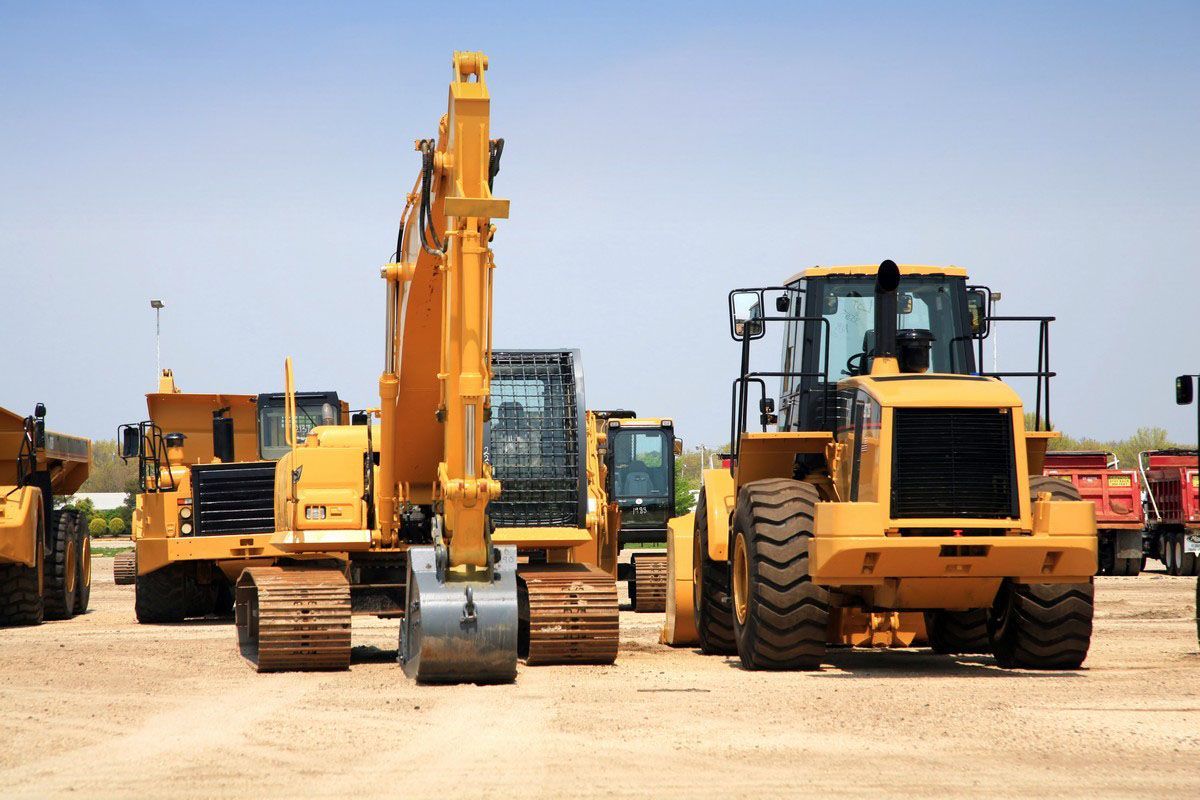
Rental providers offer a wide selection of equipment for specific project requirements. Whether a contractor needs trenching equipment, aerial lifts, compactors, or specialized earthmoving machinery, rental services provide access without long-term ownership obligations.
Reduced Equipment Downtime
Owned equipment may sit idle between projects while still generating expenses related to storage, insurance, and maintenance. Renting allows contractors to align equipment usage with actual project schedules.
When work is completed, machinery can be returned rather than maintained during inactivity. This improves efficiency and reduces overhead.
Greater Operational Flexibility
Scale Equipment Resources as Needed
Construction workloads vary significantly from project to project. Some jobs require extensive equipment fleets, while others demand only a few machines.
Equipment rental allows companies to scale resources up or down based on project requirements. Contractors can obtain additional machinery during peak workloads and reduce equipment commitments when demand decreases.
Minimized Project Delays
Unexpected breakdowns, schedule changes, and evolving project scopes can create costly delays. Rental providers typically maintain extensive inventories that can be delivered quickly when needs arise.
Whether replacing malfunctioning machinery or obtaining additional resources, rental services help keep projects on track.
Changing Project Requirements
Construction projects frequently encounter unexpected challenges, including site conditions, design modifications, and changing client requests. Renting equipment gives contractors flexibility without major financial commitments.
This adaptability helps businesses respond efficiently while maintaining productivity and controlling costs.
Reduced Maintenance and Repair Responsibilities
Lower Maintenance Burdens
Owning equipment requires maintenance programs, inspections, repairs, and technician support. These responsibilities consume time and financial resources.
Rental providers typically handle routine maintenance and servicing before equipment is delivered. This reduces administrative burdens and allows contractors to focus on project execution.
Company-Managed Repair
Unexpected equipment failures can result in expensive repairs and project delays. Most rental agreements place repair responsibilities on the provider, helping contractors avoid unplanned expenses.
Many rental companies also offer replacement equipment when necessary, minimizing downtime and keeping projects moving forward.
Improved Equipment Reliability
Rental providers regularly inspect and service their fleets to maintain performance standards. Contractors benefit from access to dependable equipment that is properly maintained and ready for immediate use.
Reliable machinery contributes to increased productivity, fewer interruptions, and improved project outcomes.
Competitive Advantages for Growing Construction Businesses
Beyond cost savings and operational flexibility, equipment rental can provide a competitive advantage for construction companies seeking growth. Access to a broad range of machinery allows contractors to bid on larger and more diverse projects without purchasing additional equipment. This helps smaller and mid-sized companies compete more effectively with larger firms.
Rental solutions also allow businesses to test new equipment before making long-term purchasing decisions. Contractors can evaluate machine performance, productivity benefits, and operator preferences in real jobsite conditions. This helps companies make informed investments and avoid costly purchasing mistakes.
Another advantage is the ability to respond quickly to market opportunities. When new projects arise unexpectedly, contractors can secure necessary equipment through rental providers without waiting for lengthy procurement processes. This responsiveness can improve customer satisfaction and strengthen business relationships.
Additionally, rental programs support better resource allocation by allowing management teams to focus on project execution, workforce development, and business growth rather than ownership concerns.
Increased Safety and Compliance Benefits
Well-Maintained Equipment
Construction site safety depends heavily on equipment condition and reliability. Rental providers routinely inspect machinery to ensure it meets operational and safety standards before deployment.
This proactive maintenance helps reduce workplace hazards while supporting safer and more productive jobsites.
Compliant with Current Regulations
Environmental and safety regulations continue to evolve across the construction industry. Rental providers often maintain equipment that complies with current standards, helping contractors avoid compliance issues.
Using newer machinery can simplify compliance efforts while improving operational performance.
Technical Support and Training
Many rental companies offer equipment demonstrations, operator training, and technical assistance. These resources help workers understand proper operating procedures and maximize equipment performance.
Well-trained operators contribute to safer jobsites, improved efficiency, and reduced accident risks.
Improved Sustainability Benefits
Reduced Equipment Waste
Purchasing equipment for occasional use can result in underutilized assets and unnecessary manufacturing demand. Equipment rental promotes shared utilization, allowing multiple businesses to maximize each machine throughout its lifecycle.
This supports more sustainable construction practices while reducing waste.
Improved Resource Efficiency
Shared equipment models reduce the need for excess machinery production and increase utilization. Contractors can access equipment when necessary rather than maintaining large fleets that remain idle for extended periods.
Environmentally Friendly Equipment
Many rental providers invest in newer equipment designed to improve fuel efficiency and reduce emissions. Through equipment rental, construction companies can utilize environmentally responsible technology without major capital investments.
This access supports sustainability initiatives while helping businesses maintain productivity and profitability.
As construction companies face pressure to control costs, improve efficiency, and adapt to changing project demands, equipment rental continues to provide a practical and cost-effective solution. Renting gives contractors access to modern and specialized machinery without the financial burdens of ownership, while reducing maintenance responsibilities and minimizing downtime.
From preserving capital and improving cash flow to supporting safety, sustainability, and growth, rental equipment benefits every part of a construction operation. By incorporating equipment rental into their business strategy, contractors can remain flexible, competitive, and prepared for an evolving construction industry.
Share On: