



How Excavators Improve Efficiency On Construction Sites
The modern construction landscape is defined by tight schedules, stringent budgets, and demanding safety standards. To thrive in this highly competitive environment, project managers and contractors must maximize productivity at every stage of development. While numerous advancements in technology and methodology have emerged over the last few decades, few assets have proven as transformative as the hydraulic excavator. From simple earthmoving tasks to complex structural demolitions, these robust machines serve as the foundational backbone of infrastructure projects worldwide. Their multi-functional capabilities, advanced engineering, and adaptability have altered how projects are planned and executed, fundamentally speeding up timelines while driving down labor expenditures. For many contractors, the tactical use of these machines is the ultimate differentiator between a profitable venture and a costly delay. In this article, you will learn how excavators improve operational speed, reduce overhead, and maximize productivity across diverse construction environments.
Unmatched Speed in Earthmoving Operations
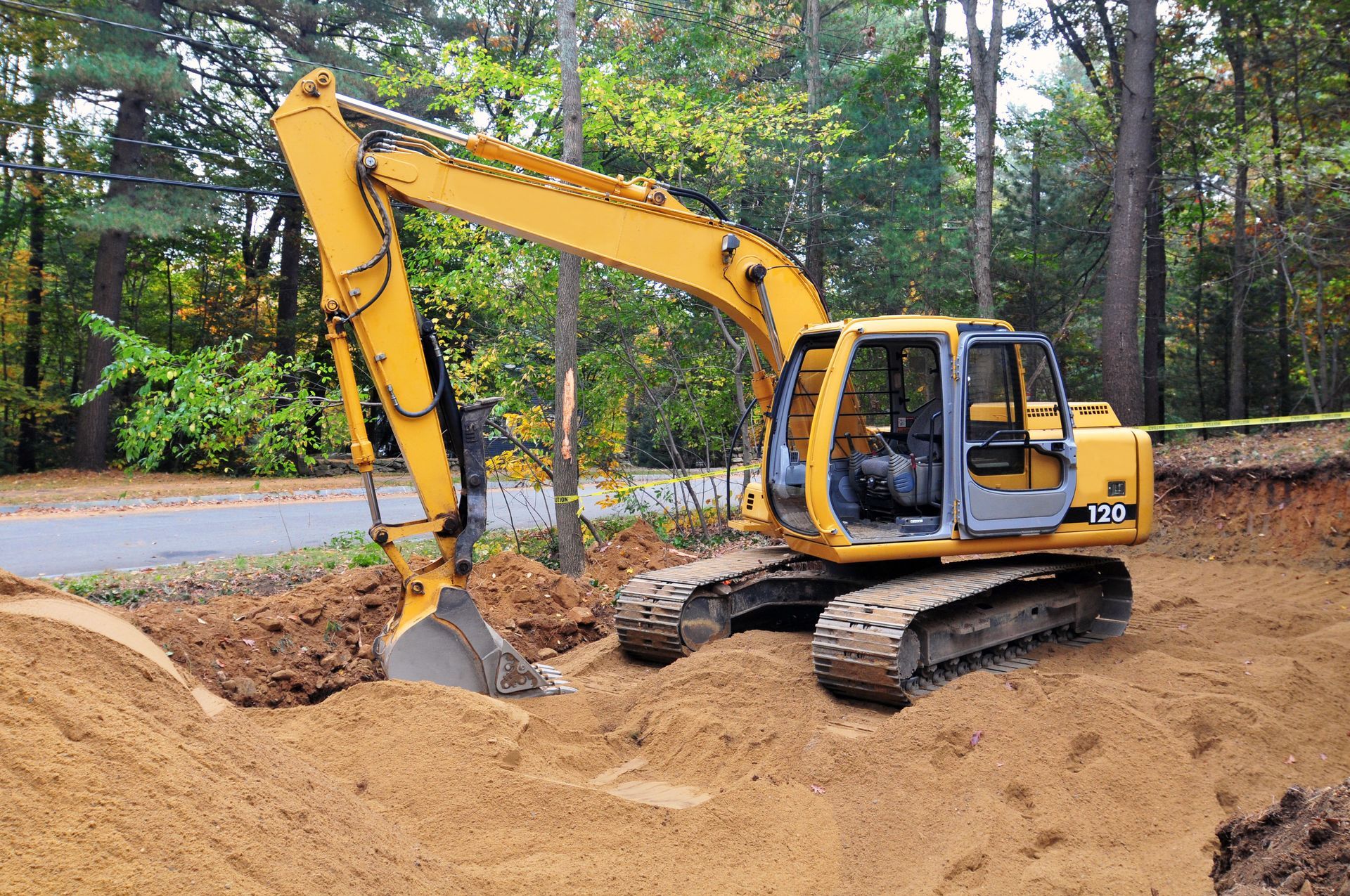
The primary function of an excavator is earthmoving, and its performance in this area represents a monumental leap forward from historical methods. Manual labor or smaller, less specialized machinery simply cannot match the volume and speed at which a modern excavator moves material. According to Bob Vila, a standard excavator can typically dig between 350 and 1,000 cubic yards of material per day, depending on the size of the machine and the specific soil conditions. This incredible volume allows project managers to complete the critical initial phases of a project, such as clearing and digging basements, in a fraction of the time it would otherwise take.
When specialized excavation needs arise unexpectedly, a strategic excavator rental allows a team to quickly deploy a machine scaled precisely to the job's volume demands without delaying the schedule. The continuous rotation capabilities of the excavator house, allowing a full 360-degree swing, means operators can dig and dump material into waiting haul trucks seamlessly. This fluid motion eliminates the need for repetitive back-and-forth driving, drastically lowering cycle times and optimizing the overall efficiency of the earthmoving phase.
Versatility Through Advanced Attachment Integration
One of the greatest contributors to on-site efficiency is an excavator’s ability to transform into entirely different tools via quick-coupling attachment systems. Rather than crowding a jobsite with multiple single-purpose machines, a crew can utilize a single excavator chassis equipped with an array of specialized tools. Operators can swap out standard buckets for hydraulic breakers, augers, shears, compactor plates, or thumbs in mere minutes.
This versatility translates directly into reduced downtime and seamless task transitions. For instance, an operator can use a standard bucket to clear topsoil, switch to a hydraulic breaker to shatter underlying rock formations, and then attach an auger to drill precise piers for foundations. By securing an excavator rental configured with a comprehensive package of attachments, contractors gain access to an all-in-one mechanical solution. This adaptability minimizes the logistics of transporting, tracking, and maintaining an excessive fleet of vehicles, keeping the jobsite organized and highly focused.
Optimization of Labor Resources and Costs
Labor shortages continue to challenge the construction industry globally, making the optimization of available human resources a critical priority. Excavators dramatically multiply the output per worker, allowing small crews to accomplish tasks that would historically require dozens of laborers. By automating the most grueling physical tasks, these machines alleviate the physical burden on the workforce, reducing fatigue-related slowdowns and minimizing injuries.
With a skilled operator at the controls of an excavator rental, a project team can reallocate manual laborers to intricate tasks that require human precision, such as detailed formwork, utility hookups, or fine carpentry. This balanced distribution of labor ensures that high-paid professionals are not wasting valuable time on repetitive, low-skill digging or lifting. Ultimately, maximizing the utility of heavy machinery allows contractors to scale their operations and take on larger contracts without needing to exponentially increase their full-time payroll.
Precision Execution With Modern Technology Integration
Modern excavators are no longer just heavy masses of steel and hydraulics; they are highly sophisticated technical platforms. The integration of Global Positioning System (GPS) technology, telemetry, and automated grade control systems has elevated the precision of excavation to unprecedented levels. These systems allow operators to view real-time digital 3D blueprints of the site directly from inside the cabin, showing exactly how deep and where to dig.
This technological precision eliminates the traditional "dig-and-check" routine, where work had to be periodically halted for surveyors to verify depths and slopes. By ensuring accuracy down to the centimeter on the very first pass, excavators virtually eliminate the need for costly and time-consuming rework. Contractors who utilize a modern excavator rental can request units equipped with these smart technologies, allowing them to hit exact grading specifications instantly, protect underground utility lines from accidental strikes, and significantly conserve fuel and materials.
Enhanced Safety and Environmental Management
A safe jobsite is an efficient jobsite, as accidents, injuries, and compliance violations can completely derail a project timeline. Excavators drastically improve site safety by keeping human workers out of high-risk zones. Instead of sending laborers into deep trenches with shovels, an operator can safely execute trenching operations from a reinforced, climate-controlled cabin situated securely above ground level.
Furthermore, today's excavators are engineered to meet strict environmental standards, featuring low-emission engines and advanced eco-modes that reduce fuel consumption during periods of idling. Many manufacturers have also integrated advanced hydraulic fluids that minimize environmental damage in the event of a leak. When choosing an excavator rental, businesses can opt for newer, eco-efficient models that help them comply with local environmental regulations and urban noise restrictions, avoiding costly legal fines and project shutdowns.
Accessibility and Adaptability Across Varied Terrains
Construction sites are rarely flat or easy to navigate; they are frequently plagued by mud, steep slopes, loose gravel, and tight spaces. Excavators are uniquely engineered to overcome these physical constraints. Tracked excavators distribute their immense weight over a broad surface area, allowing them to traverse deep mud and steep inclines without getting stuck or excessively compacting the soil. Conversely, wheeled excavators offer rapid mobility on paved urban surfaces without damaging the asphalt.
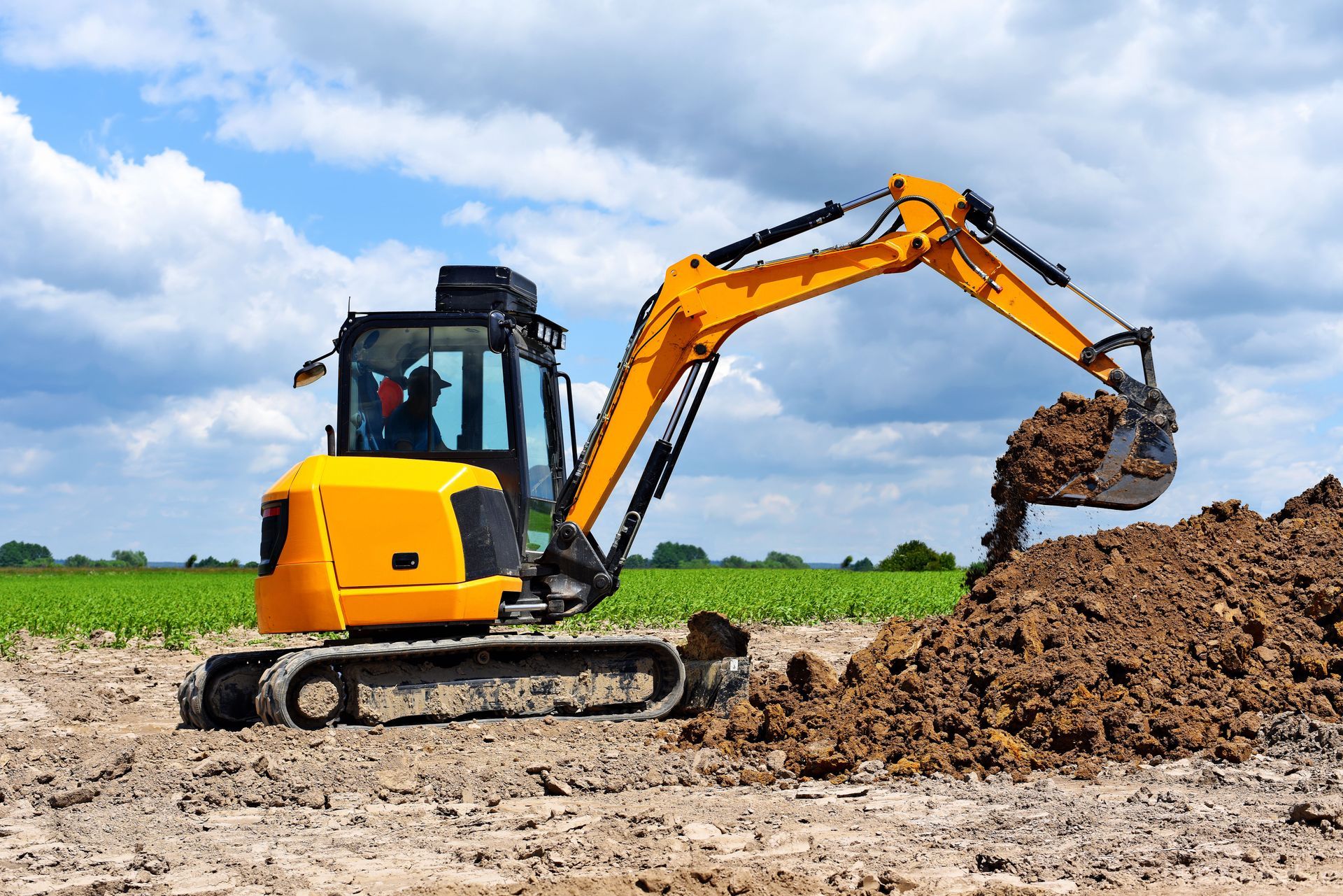
For tight urban projects or indoor demolitions, mini and compact excavators provide the ideal solution. These smaller machines can squeeze through narrow gates and navigate around existing structures while still delivering impressive digging depth and breakout force. Having the flexibility to procure the exact track or chassis configuration via a targeted excavator rental ensures that terrain limitations never stall progress, allowing work to continue smoothly regardless of challenging geographical or structural constraints.
Streamlined Project Logistics and Fleet Management
Managing a fleet of heavy equipment involves immense logistical coordination, including preventative maintenance, secure storage, and transport scheduling. Excavators streamline this process due to their ability to centralize multiple site operations. Because one machine can handle digging, loading, sorting, and grading, the logistical footprint of the site is dramatically simplified.
For small-to-medium contractors, managing logistics can consume valuable administrative hours that could be better spent on project oversight. Leveraging an excavator rental shifts the burden of long-term maintenance, depreciation tracking, and storage over to the rental provider. The provider handles delivery to the site and ensures the machinery is fully serviced and compliant. This logistical simplicity allows construction managers to focus entirely on day-to-day operations, keeping the project moving forward without the administrative distractions of heavy equipment ownership.
Maximizing this efficiency does not require an immense upfront capital investment. By partnering with a trusted equipment provider for your next excavator rental, you can equip your crew with the exact machinery, technology, and attachments required to outperform the competition and maximize your bottom line. Contact Tyler Rental today to secure the perfect excavator for your upcoming project.
Share On: