



6 Things to Consider Before Renting Heavy Equipment
The decision to rent heavy equipment is significant, impacting both project outcomes and financial health. Before embarking on this journey, understanding the critical aspects of rental processes can save time, money, and resources. Heavy equipment rentals offer flexibility and access to state-of-the-art machinery without the burden of ownership. However, this flexibility comes with responsibilities. A strategic approach to equipment rental involves evaluating project needs, costs, suitability, safety, and more. According to the American Rental Association, the equipment rental revenue is projected to increase by over 5.5% in 2025, underscoring its growing significance in construction and industrial sectors. As the industry evolves, staying informed and prepared becomes even more critical. This article delves into the key considerations necessary to make an informed choice, ensuring efficient project management, safety, and sustainability.
1. Define Your Project Needs
Understanding your project's scope and duration is vital in determining the right heavy equipment rentals. Clearly defining the project's requirements will help identify the machinery necessary to complete tasks effectively and on time. Consider factors such as worksite size, task type, and deadline urgency to match equipment capabilities with your needs accurately. A well-defined scope not only ensures efficiency but also prevents costly delays and equipment mismatches down the line.
The variety of equipment required for your project is another crucial factor. Identifying specific types of machinery ensures tailored rental decisions. A comprehensive list based on project tasks aids in acquiring the correct tools for optimal performance. Taking the time to specify each machine’s purpose ensures all operational requirements are met without redundancy or excess cost.
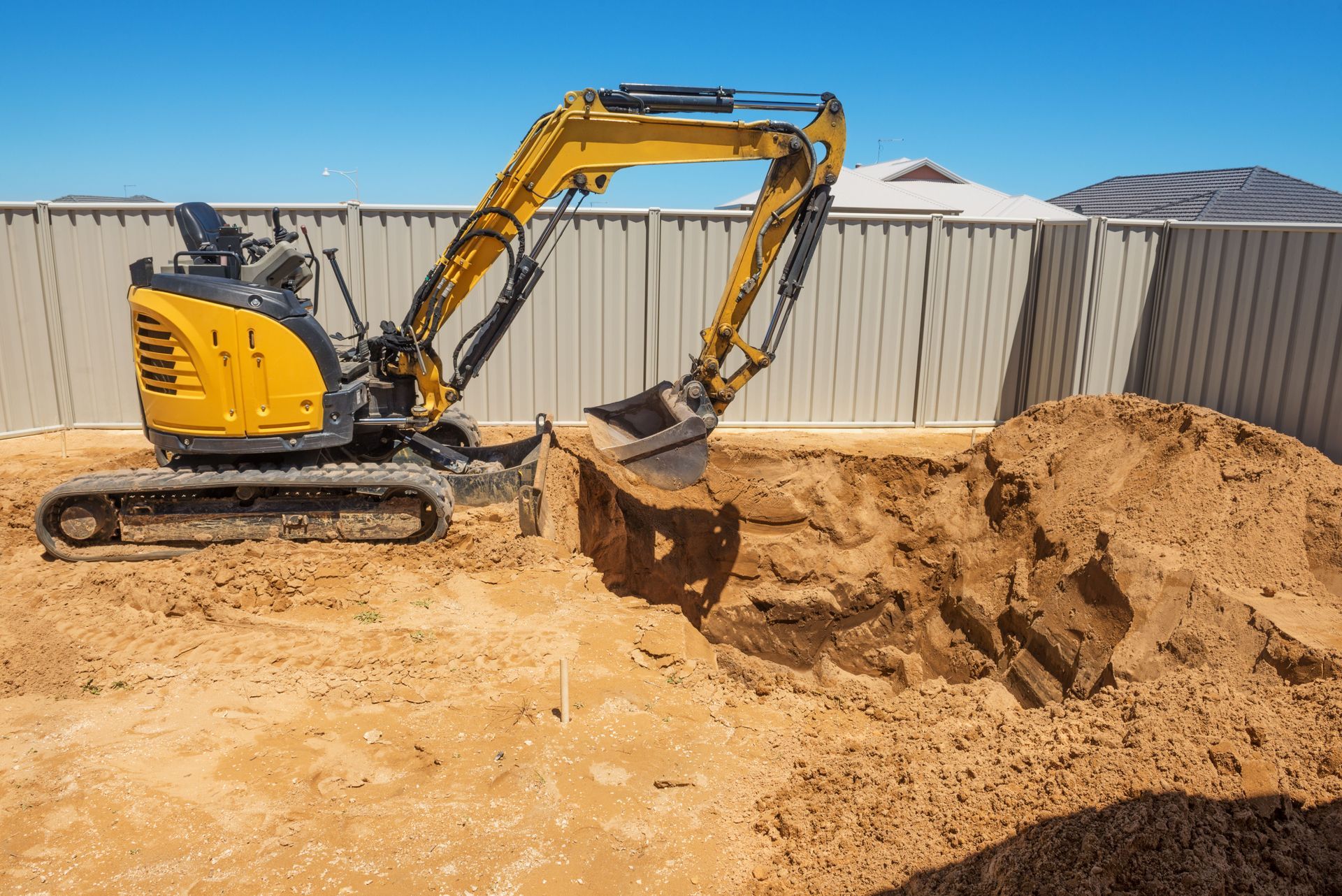
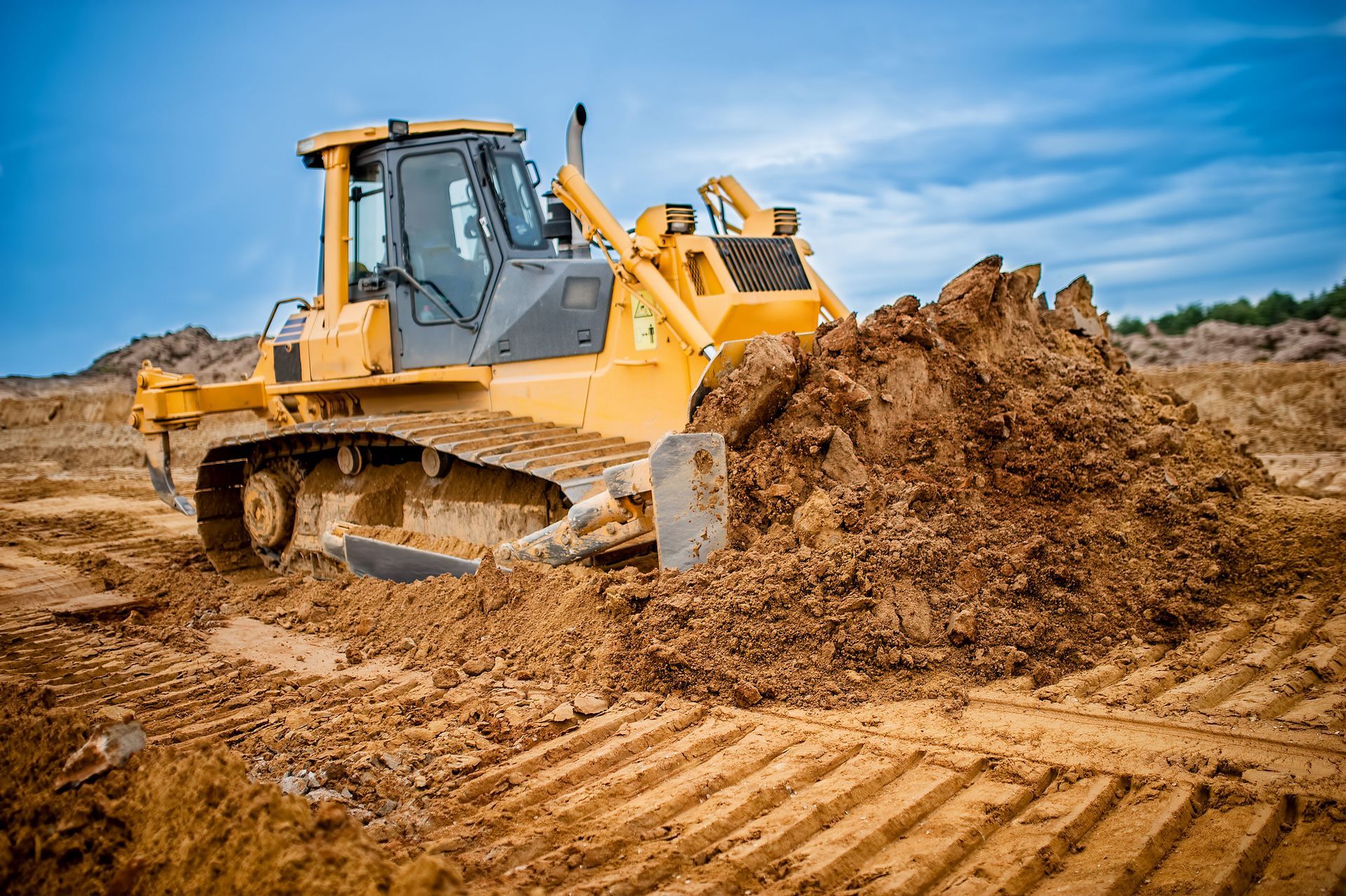
Worksite conditions and constraints also play a pivotal role in the selection of heavy equipment rentals. The terrain, climate, and logistical challenges influence machinery choice and its adaptability to the environment. Assessing these factors guarantees that the rented equipment operates efficiently under the conditions it will face. This preparation minimizes downtime and enhances the overall safety and productivity of your project site.
2. Plan and Analyze Your Budget
Financial planning begins by comparing rental costs with purchase expenses. Rentals may appear cost-effective for short-term needs, offering lower upfront investment and maintenance relief. For prolonged projects, however, purchasing might be more economical, necessitating a thorough cost-benefit analysis. Factoring in project timelines and expected usage helps determine which option provides the best long-term financial return.
Ancillary costs such as transportation, fuel, and insurance can accumulate, impacting the overall budget. Evaluating these expenses ensures a comprehensive financial overview, preventing unforeseen expenditures. A detailed cost analysis provides clarity and avoids financial strains mid-project. Including contingency funds in your budget can further safeguard against unexpected equipment or site-related costs.
Exploring discounts and package deals with rental companies can lead to significant cost savings. These incentives may offer lower rates, free delivery, or bundled services, making rental a more attractive option. Negotiating favorable terms can provide budget flexibility and support financial stability. Establishing a long-term relationship with a reliable rental provider can also open the door to future loyalty discounts or priority service.
3. Match Equipment Specifications to Project Demands
Aligning equipment technical specifications with project demands ensures efficiency and effectiveness. Choosing machinery that meets power, performance, and capacity requirements maximizes productivity. This consideration prevents mismatches that can lead to project delays or operational challenges. Consulting with rental experts can also help match equipment capabilities with your unique site conditions.
Compatibility with other tools and machinery is essential for seamless project execution. Equipment must integrate smoothly with existing tools and systems to avoid downtime. Ensuring compatibility facilitates workflow continuity, supporting timely project completion. Prior testing or on-site demonstrations can verify that all components function together efficiently.
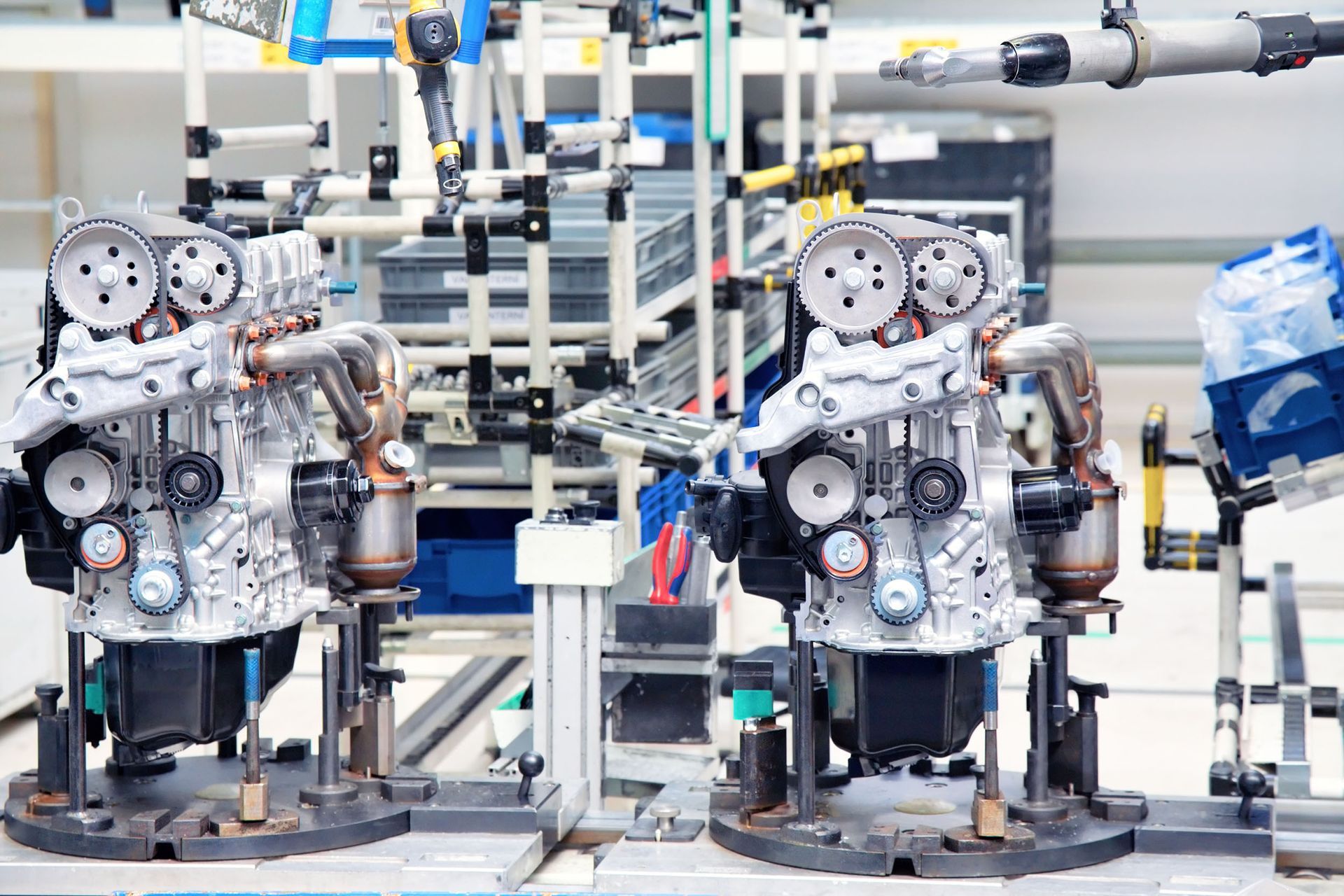
Size and power requirements influence the selection of heavy equipment rentals, impacting operational efficiency and cost. Overpowered or oversized equipment can lead to unnecessary expenses, whereas underpowered options might hinder performance. Accurate assessment of these factors aids in making informed rental decisions. Properly scaled machinery ensures resources are used efficiently without compromising output quality.
4. Prioritize Safety and Ensure Compliance
Adhering to regulatory and industry standards is essential for legal compliance and project safety. Understanding applicable laws and regulations helps prevent legal complications or penalties. Investing time in safety research fosters a secure work environment, protecting workers and assets. Staying updated with local and national safety codes also helps maintain consistent operational standards.
Safety features of the equipment are paramount in preventing accidents. Evaluating these features ensures the machinery meets safety benchmarks, minimizing risk. A proactive approach to safety fosters a culture of care and responsibility. Regularly inspecting these features throughout the rental period reinforces long-term job-site safety.
Any training and certification requirements for operators are crucial in ensuring safe and efficient machinery use. Proper training reduces the likelihood of mishaps and instills confidence in handling complex equipment. Ensuring that personnel are adequately trained guarantees operational safety and efficiency. Continuous education and refresher courses further strengthen safety awareness and job-site performance.
5. Review Agreements and Verify Vendor Reliability
Reviewing the terms and conditions of heavy equipment rentals highlights the obligations and expectations between the vendor and the renter. A clear understanding of terms reveals potential restrictions or limitations in the rental agreement. Thorough examination ensures there are no surprises, promoting a smooth rental experience. Taking time to clarify terms upfront avoids disputes and promotes trust between both parties.
Vendor reputation and references provide insights into service quality and reliability. Conducting background checks and asking for testimonials offers assurance of vendor trustworthiness. Partnering with reputable vendors increases confidence in equipment quality and service support. Customer reviews and industry certifications can also serve as valuable indicators of a vendor’s professionalism.
Flexibility in rental period adjustments is a valuable attribute in adapting to project dynamics. A vendor’s ability to accommodate changes, extensions, or early returns optimizes rental efficiency. This flexibility supports project adaptability, catering to unforeseen circumstances or evolving needs. Choosing a vendor with adaptable policies ensures that your project remains on schedule even when plans shift.
6. Incorporate Environmental and Sustainability Practices
Evaluating fuel efficiency and emissions standards aligns heavy equipment rentals with environmental goals. Opting for fuel-efficient machinery reduces costs and carbon footprint, showcasing a commitment to sustainable practices. Compliance with stringent emissions standards reflects proactive environmental responsibility. This mindful approach can also enhance your company’s reputation as an environmentally conscious contractor.
Eco-friendly equipment options demonstrate dedication to minimizing ecological impact. Choosing machinery with innovative technologies supports sustainable development objectives. These choices align with corporate social responsibility, enhancing organizational image and stakeholder trust. Incorporating sustainability into every equipment decision reflects long-term industry leadership and accountability.
Assessing waste management and recycling plans ensures mindful resource use and disposal. Implementing systematic recycling of materials and parts mitigates environmental harm and fosters a culture of sustainability. Responsible waste management strengthens community relationships and environmental stewardship. Prioritizing these practices can also contribute to meeting regulatory or client sustainability requirements.
Heavy equipment rentals are more than a logistical decision—it’s a strategic one that can shape a project’s efficiency, safety, and profitability. By carefully assessing project requirements, costs, equipment suitability, vendor reliability, and environmental impact, businesses can make informed choices that balance performance with responsibility. A thoughtful strategy with heavy equipment rentals minimizes risk, ensures compliance, and promotes sustainable operations, all while maximizing productivity. As the rental industry continues to expand, understanding its evolving dynamics becomes increasingly valuable. Staying informed and proactive allows project leaders to optimize resources and maintain a competitive edge. With the right approach, equipment rental can be a powerful tool for achieving project goals—delivering efficiency, safety, and sustainability in every phase of the job. Reach out to Tyler Rental to learn more today!

Share On: