


Renting vs. Buying Heavy Equipment: An Analysis
In industries that rely heavily on machinery, such as construction, agriculture, and mining, deciding whether to rent or buy heavy equipment is pivotal. Both options come with unique sets of advantages for the financial health and operational efficiency of a company. This article explores the different strategies behind renting versus buying heavy equipment, emphasizing the importance of planning and industry-specific considerations. Each business situation is unique, and understanding the implications of each approach is crucial to making informed decisions. By examining flexibility, operational efficiency, and industry-specific use cases, your business can align your equipment management strategies with broader organizational goals.
Flexibility and Utilization
Flexibility is a key advantage of renting heavy equipment, especially when faced with diverse project needs. Renting allows businesses to select the exact machinery required for individual projects, avoiding the pitfall of over- or under-utilizing owned assets. This adaptability can enhance productivity and align equipment usage with specific project timelines. Additionally, renting can introduce new technology into operations, affording companies the opportunity to leverage cutting-edge solutions without a long-term commitment. The ability to tailor equipment needs to project demands ensures optimized operations.
The pace of technological advancement in heavy machinery means that newer, more efficient models are continually being released. Renting provides businesses with access to the latest technology without the financial commitment of buying new equipment. The flexibility of renting also means that companies are not left with outdated machinery, which can become a burden over time. By renting, businesses can stay competitive by incorporating the most current equipment and technology into their operations. This access to innovation is a significant advantage in rapidly evolving industries.
Achieving high utilization rates of owned heavy equipment is often challenging due to variability in project needs and downtimes. Renting mitigates underutilization issues, enabling businesses to acquire equipment precisely when needed. By avoiding periods where equipment sits unused, companies can optimize asset employment and project profitability. The flexibility of renting also allows for immediate adjustments to project changes, ensuring operational continuity. Evaluating utilization rates is essential in determining the most efficient and economic equipment management strategy.
Mobility and logistics present significant considerations for both owned and rented equipment. Transferring owned equipment between sites involves logistical challenges and expenses, often requiring specialized transport and handling. Renting circumvents these issues, as equipment can typically be delivered directly to the site, reducing downtime. With the rental model, businesses can focus on project execution rather than logistical complexities. This streamlined approach fosters operational efficiency and allows for rapid response to changing project locations and requirements.
Operational Efficiency
Equipment downtime poses substantial challenges to maintaining operational efficiency. With owned equipment, unexpected breakdowns can result in prolonged project delays. Rental companies often provide replacement units or quick repair services, minimizing downtime and ensuring project continuity. This advantage allows businesses to maintain productivity levels and adhere to project deadlines. By alleviating downtime risks, renting promotes a more reliable and consistent operation.
The availability of diverse equipment is a significant benefit of the rental market. Companies have access to a broader selection of machines, from various manufacturers and models, without the constraints of ownership limitations. Rental services are equipped to meet changing demands, offering flexibility not only in choice but also in the duration of use. This variety allows businesses to select equipment tailored to precise project needs, optimizing performance. The wide array of available machinery can also facilitate exploratory projects, aiding innovation and adaptability.
Industry-Specific Use Cases
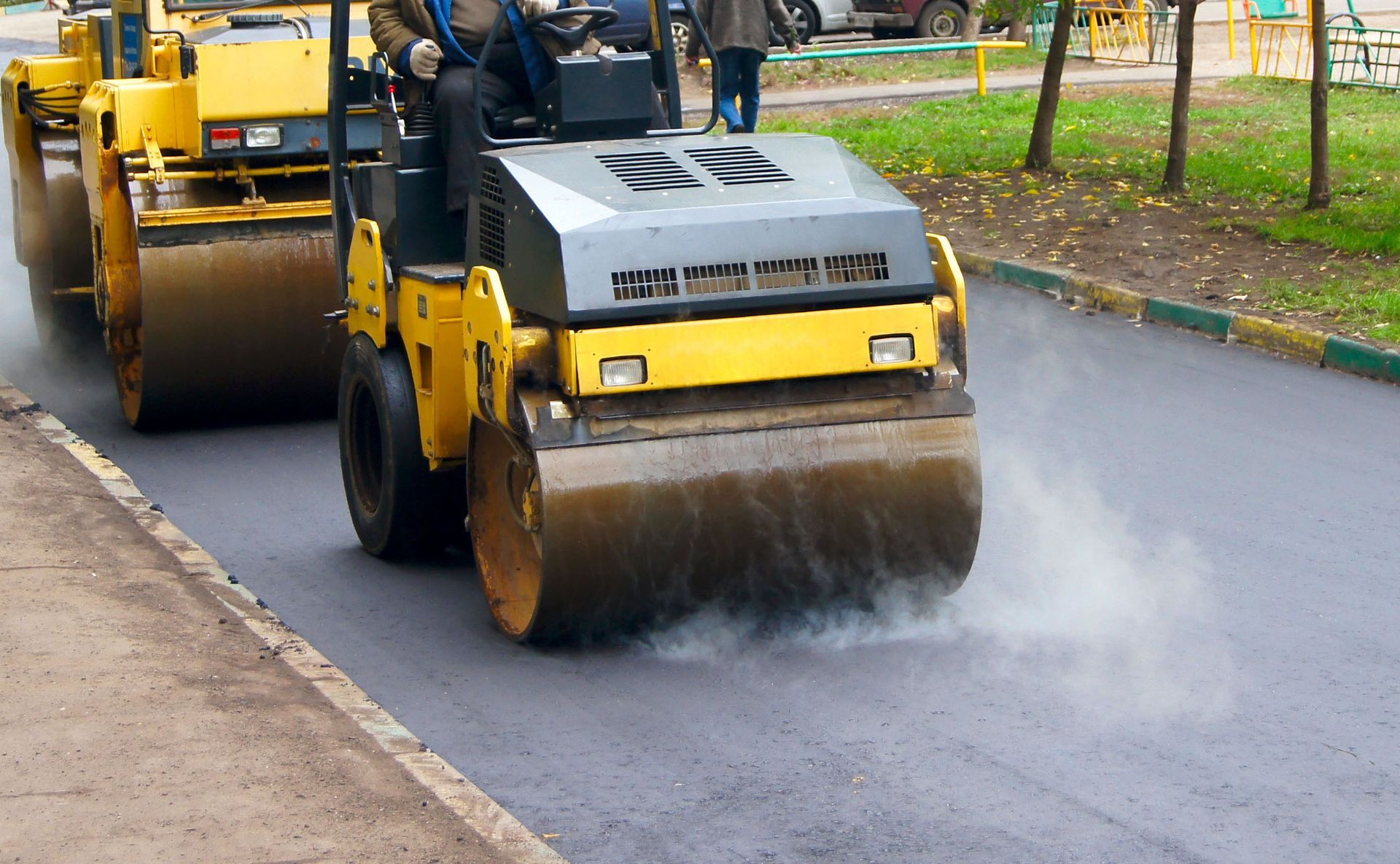
The construction industry frequently faces fluctuating demand, making the flexibility of renting highly attractive. Companies can tailor their equipment needs to specific projects, ensuring optimal resource utilization without long-term commitments. Renting also allows construction firms to keep pace with rapidly advancing technology, enhancing competitive advantage.
The agriculture sector has unique heavy equipment requirements, influenced by planting, harvesting, and other seasonal activities. Renting offers the flexibility to access required machinery during peak periods. This approach allows farmers to optimize budget allocation and improve cash flow by avoiding capital-intensive purchases. Access to modern technology through rentals can also boost productivity and innovation in farming practices. The adaptability of renting suits the nature of agricultural operations, providing a pragmatic solution to variable equipment needs.
In the mining industry, the requirements for equipment can vary widely depending on the specific mineral being extracted and the project scope. Renting provides the advantage of accessing specialized equipment as needed, reducing the strain on capital and operational budgets. This flexibility supports efficient resource allocation and project scaling, catering to the often dynamic demands of mining operations. Furthermore, renting minimizes the risks associated with equipment depreciation, allowing companies to focus on core production activities. Efficient equipment management directly contributes to improving mining productivity.
Landscaping and forestry businesses often require diverse machinery for different projects, making renting an appealing option. Renting allows these companies to access a range of equipment suited to specific tasks without investing in numerous types. This flexibility is essential when dealing with projects that vary in size and requirements. By utilizing rental services, landscaping and forestry businesses can maintain budget control and ensure efficient operations while meeting diverse client needs. The ability to leverage technology advancements further enhances service offerings and project execution.
Strategic Decision-Making and Future-Proofing
Incorporating equipment decisions into long-term business planning ensures alignment with organizational goals and objectives. Companies must consider how equipment choices impact growth, innovation, and resource allocation. A strategic approach encompasses exploring the scalability of renting versus the stability of ownership, fostering long-term sustainability. Environmental sustainability may also be a consideration for your company; according to Web FX, renting heavy equipment reduces the equipment's carbon footprint by up to 50%. By folding such considerations into your strategic planning, businesses enhance capacity for future-proofing and capitalize on emerging opportunities. Aligning equipment strategies with overall business vision promotes cohesion and drives organizational success.
Engaging key stakeholders in equipment decision-making processes enriches insights and perspectives. Input from finance, operations, and management teams contributes to a holistic understanding of implications and priorities. Collaborative discussions foster alignment across departments, ensuring decisions support diverse objectives and stakeholder interests. Empowering stakeholders to participate in strategic planning promotes accountability and shared responsibility. This inclusive approach enhances organizational cohesion and commitment to sustainable growth and efficiency.
Adopting future-proofing strategies in equipment management ensures adaptability and long-term viability. These strategies incorporate flexibility, technological readiness, and market responsiveness to mitigate risks and capitalize on opportunities. By leveraging rental options, businesses maintain agility, accessing innovative equipment developments without enduring ownership burdens. Future-proofing enhances resilience, equipping organizations to navigate complexity and uncertainty confidently. Integrating forward-looking strategies into equipment decisions secures sustainable pathways for enduring success.
Choosing between renting and owning heavy equipment hinges on a multitude of factors. Both approaches offer distinct advantages, shaping their suitability for various business contexts. By thoroughly evaluating these differences, companies can align equipment strategies with overarching business goals. Strategic decision-making involves holistically assessing short- and long-term impacts to optimize resource allocation and operational performance. In today's dynamic market, informed equipment choices empower businesses to sustain competitive edge and organizational success. Whether you're looking to rent or buy heavy equipment, Tyler Rental is available to provide your company with expert services. Reach out today to discover why we're an industry leader in the construction and industrial equipment rental sector.

Share On: