




How Technology Is Transforming Heavy Machinery Operations
In the rapidly evolving landscape of industrial applications, technology is playing a pivotal role in transforming heavy equipment rental and operations. These advancements not only streamline workflow but also enhance efficiency, safety, and sustainability. As industries strive to become more scalable and innovative, embracing new technologies is no longer a choice but a necessity. In each section, we explore specific advancements and their respective impacts, shedding light on how these technologies are setting the stage for future innovations.
The Rise of Automation in Heavy Machinery
The Historical Perspective From Manual to Automated
Historically, the operation of heavy machinery relied heavily on human labor, which often posed significant risks and required considerable effort. Over the years, there has been a gradual shift from manual processes to automation, driven by technological progress and the need for increased efficiency. The Industrial Revolution marked the beginning of mechanization, laying the groundwork for modern automated systems. Today, the use of automated machinery is commonplace in industries, ranging from construction to mining. This gradual evolution underscores the importance of automation in enhancing productivity and optimizing operational workflows.
Key Technologies Driving Automation
Several cutting-edge technologies are integral to driving automation in heavy equipment rental and operation. One significant advancement is the development of computer numerical control (CNC) systems, which allow for precise control over machinery operations. Robotics and machine learning have further enhanced automation capabilities, enabling machines to perform complex tasks autonomously. Sensors and advanced control systems also play a crucial role in improving accuracy and reliability. These technologies collectively contribute to creating a more seamless and efficient operational environment in various industrial sectors.
Benefits of Automation in Efficiency and Safety
The implementation of automation in heavy equipment rental and operation offers numerous benefits, particularly in terms of efficiency and safety. Automated systems reduce downtime by minimizing human error and allowing for continuous operation. Furthermore, they contribute to safer working conditions by reducing the need for direct human intervention in hazardous environments. This is crucial in industries like mining, where the risk of accidents is high. According to Web FX, over 412,000 people work as heavy machinery operators, making safety advancements through automation particularly impactful. These improvements not only enhance productivity but also contribute to worker wellbeing and operational sustainability.
Integration of Internet of Things (IoT)
Understanding IoT and Its Role in Machinery
The Internet of Things (IoT) has emerged as a pivotal technology in modern heavy equipment rental and operation. IoT refers to the network of interconnected devices that communicate and exchange data in real-time. In the context of heavy machinery, IoT enables the collection of valuable data from equipment, providing insights into performance and maintenance needs. The seamless connectivity and data integration inherent in IoT systems lead to more informed decision-making and predictive capabilities. This connectivity forms a backbone for smart industrial operations, setting a foundation for advanced analytical capabilities and operational excellence.
Enhancing Operational Efficiency Through IoT
IoT technology enhances operational efficiency by providing comprehensive visibility into machinery performance. Real-time monitoring allows for immediate detection and rectification of any operational anomalies. Additionally, IoT systems enable remote management, reducing the need for on-site personnel and thereby optimizing workforce distribution. These efficiencies translate into substantial cost savings and improved production timelines. Ultimately, IoT empowers industries with the data-driven insights needed to fine-tune processes and maximize productivity. This transformative capability underscores the importance of integrating IoT into modern heavy machinery operations.
Key Challenges in IoT Implementation
Despite its potential, the implementation of IoT in heavy machinery comes with several challenges. One significant barrier is the need for robust network infrastructures to support seamless device connectivity, particularly in remote or geographically dispersed locations. Security concerns also pose a major challenge, as interconnected systems increase the vulnerability of data to cyber threats. Interoperability between different IoT platforms and devices often requires custom solutions, adding complexity to implementation. Furthermore, the initial investment and technological expertise required can be prohibitive for smaller enterprises. Overcoming these challenges is critical for realizing the full benefits of IoT integration in heavy machinery.
Advancements in Robotics
Types of Robotics Technologies in Use
Robotics technology in heavy machinery has diversified significantly, opening new possibilities for operational efficiency. Autonomous mobile robots (AMRs) are increasingly utilized for transportation tasks, maneuvering through complex environments with minimal human oversight. Industrial robotic arms, known for their precision, are employed in assembly and quality control applications. Telerobotic systems enable remote operation, allowing humans to control machines in hazardous environments from a safe distance. Collaborative robots, or cobots, work alongside human operators, augmenting their capabilities in various industrial tasks.
Robotics Applications in Heavy Industries
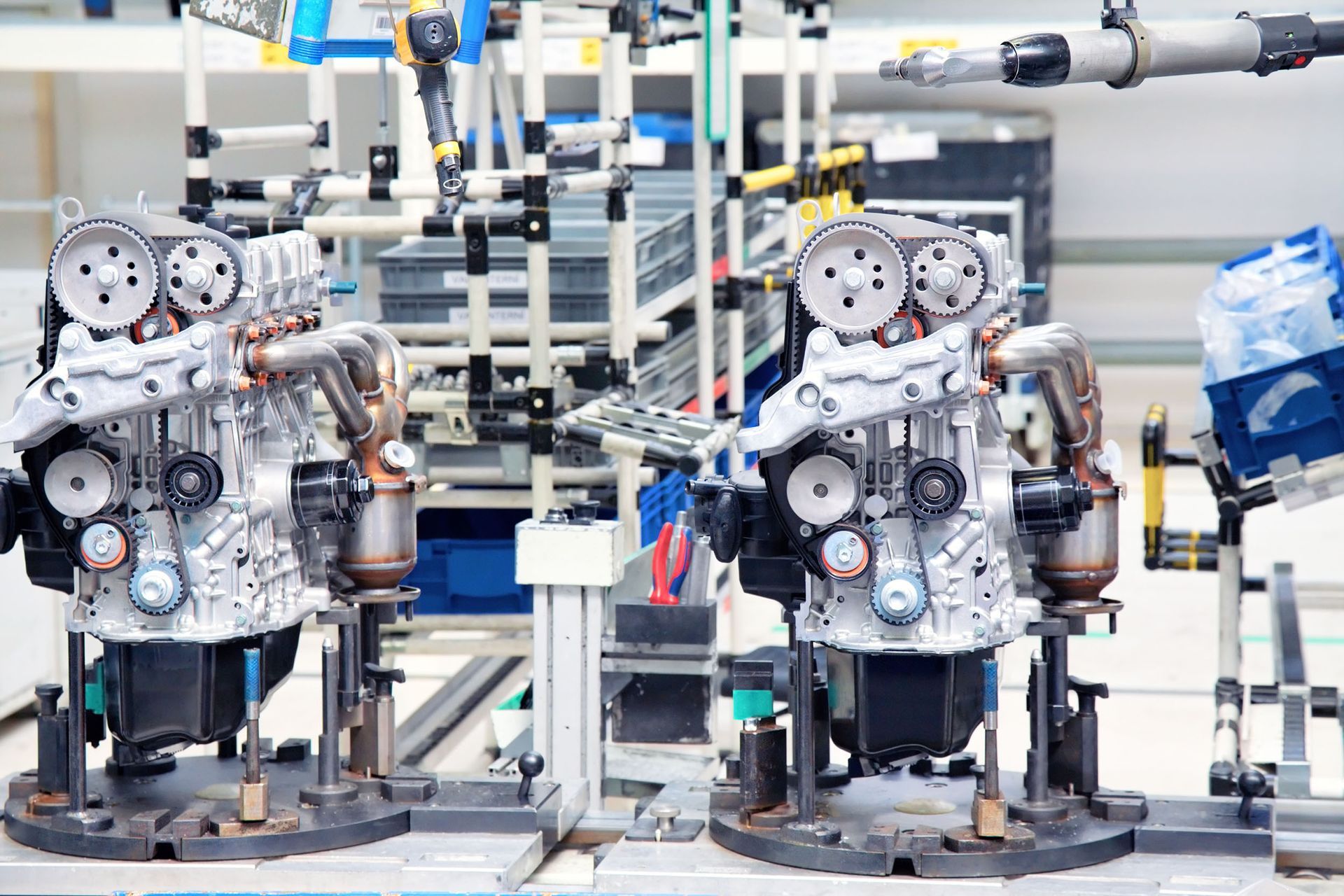
In heavy industries, robotics is redefining how tasks are performed, increasing efficiency and reducing human risks. In construction, robotic bricklayers and 3D printers are efficiently handling repetitive tasks, enhancing productivity and reducing waste. Mining operations leverage robotic drills and haul trucks, which operate continuously, reducing the need for shift changes and increasing yield. In the manufacturing sector, robots handle tasks such as welding, painting, and assembly, ensuring consistency and precision. These applications showcase the transformative potential of robotics in reducing labor costs and enhancing operational output.
Overcoming Challenges in Robotics Adoption
Despite the benefits, the adoption of robotics in heavy machinery faces several challenges that need to be addressed. High initial costs and the need for specialized infrastructure can be a barrier for many companies. Additionally, integrating robotics into existing workflows requires careful planning and technical expertise. Worker displacement fears also remain a concern, necessitating effective reskilling programs to support the transition. Ensuring safety in human-robot interactions is crucial, requiring robust safety protocols and compliance with industrial standards. Navigating these challenges is essential for maximizing the benefits of robotics technology.
Emerging Trends and Innovations
Electrification of Heavy Machinery
Electrification is an emerging trend in the realm of heavy equipment rental and operation, driven by the push for sustainability and reduced carbon emissions. Electric machinery offers significant advantages, including lower operating costs, reduced noise pollution, and decreased reliance on fossil fuels. Advances in battery technology are extending the operational range and power of electric machinery, making them viable alternatives to traditional diesel-powered equipment. Industries are actively exploring the electrification of various machinery, including excavators, loaders, and cranes. These developments are paving the way for a more sustainable and environmentally friendly future for heavy machinery operations.
Renewable Energy Integration in Operations
Integrating renewable energy sources into heavy equipment rental and operation is gaining traction as industries strive to reduce their carbon footprint. Solar panels and wind turbines are being employed to power machinery directly, reducing reliance on traditional energy sources. Additionally, innovations in hydrogen fuel cells present promising opportunities for sustainable energy solutions in heavy machinery. This shift toward renewables not only promotes sustainability but also offers cost savings through reduced energy consumption. The integration of renewable energy sources is set to play a vital role in the transition to more sustainable industrial practices.
Developing Smart Construction Sites
The concept of smart construction sites is emerging as a transformative approach to modernizing heavy machinery operations. Smart sites leverage IoT, AI, and connected devices to create integrated, data-driven environments for enhanced coordination and efficiency. Real-time data analytics enable better resource allocation, streamlined workflows, and improved safety monitoring. By connecting machinery, workers, and site management systems, smart construction sites foster collaboration and optimize project outcomes. This innovative construction approach is reshaping traditional practices, setting a standard for future industry developments.
Technological innovation is fundamentally reshaping the future of heavy equipment rental and operation across industries. From automation and IoT integration to robotics, electrification, and smart construction sites, these advancements are driving greater efficiency, safety, and sustainability than ever before. While challenges such as implementation costs, cybersecurity concerns, and workforce adaptation remain, the long-term benefits far outweigh the obstacles. As innovation continues to accelerate, heavy machinery operations will become smarter, more connected, and more sustainable, paving the way for a new era of industrial transformation. If you are interested in utilizing these innovations yourself, begin the equipment rental process today with Tyler Rental.
Share On: